Origins and Meaning
Tonglen meditation is a traditional Tibetan Buddhist practice rooted in the teachings of lojong, or “mind training,” a system designed to cultivate compassion and the awakened heart-mind known as bodhicitta. The term tonglen literally means “sending and taking” – a reference to the core method of breathing in suffering and breathing out relief, kindness, and compassion.
Tonglen emerged within Tibetan Buddhism but draws on earlier Indian Buddhist compassion practices. It is closely related to metta (loving-kindness) and karuna (compassion) meditations found in early Buddhist texts. Its purpose is to reverse the habitual tendency to avoid discomfort and instead open the heart to the suffering of oneself and others.
How Tonglen Is Practiced
The practice typically begins with settling the mind through calm, natural breathing. Practitioners visualize inhaling the pain, fear, or difficulty of themselves or others as a dark, heavy cloud. On the exhale, they imagine sending out light, warmth, and compassion – whatever qualities would bring relief or healing. Many teachers guide students through stages: starting with one person or situation, then expanding outward to include all beings.
Benefits and Effects
Tonglen trains the mind to respond to suffering with openness rather than resistance. Practitioners often report increased empathy, emotional resilience, and a greater sense of connection with others. The practice can soften self-centered patterns and cultivate a more courageous, compassionate presence in daily life. Because it reframes suffering as an opportunity to generate compassion, Tonglen can be both grounding and transformative.
Is Tonglen some sort of praying?
I understand that, at first glance, classical prayer and Tonglen meditation may seem alike: both arise from the wish to ease suffering—your own or that of others—and to invite hope, relief, or healing. Yet prayer often turns outward, appealing to a higher being for guidance or intervention, while Tonglen turns inward, awakening the innate capacity to transmute darkness into compassion. In this practice, the divine within you becomes active and luminous. So to answer your question: it is something far deeper, a path of inner alchemy.
Guided Tonglen Script
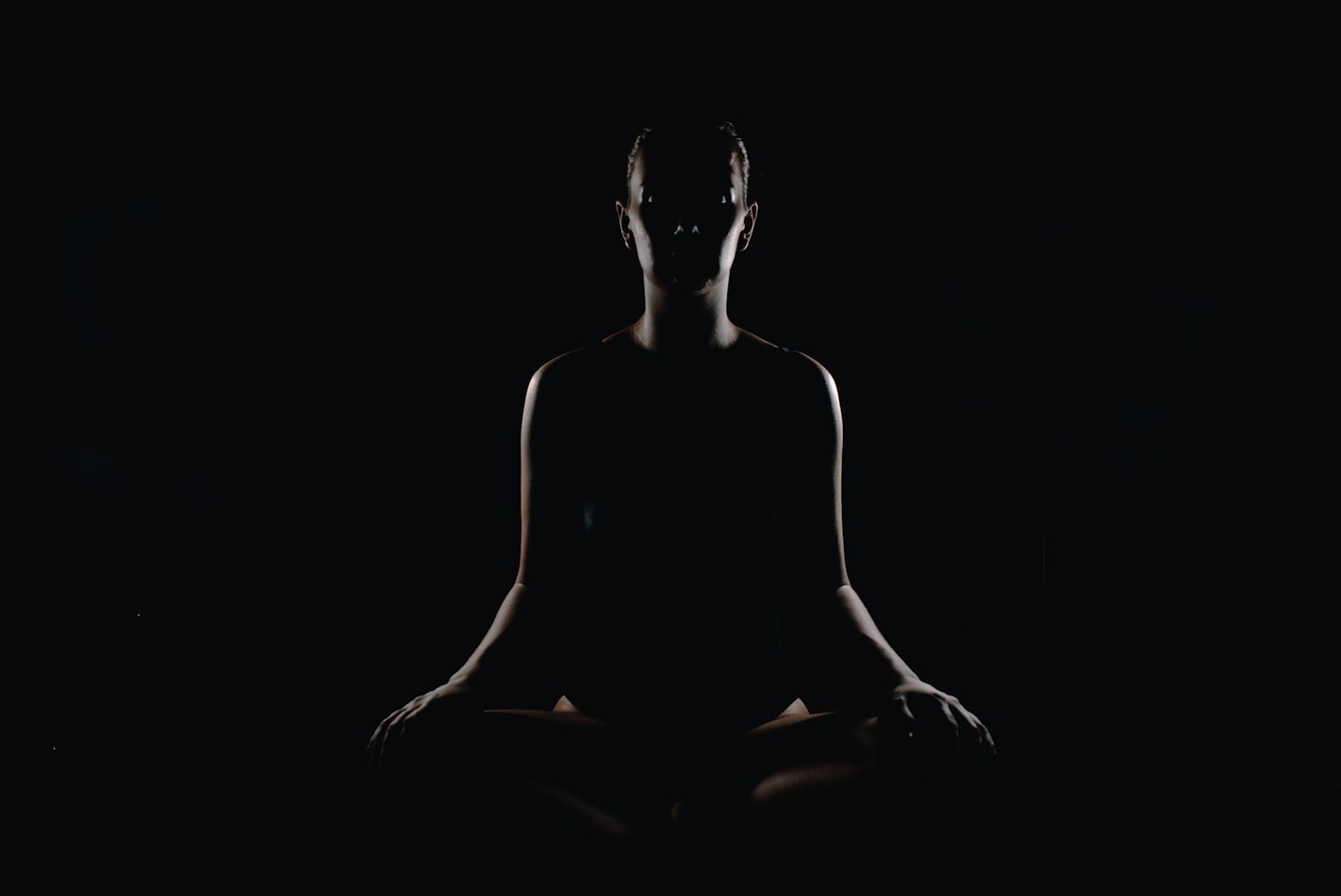
Take a comfortable seat. Let your spine be long, your shoulders soft, and your hands resting wherever they naturally fall. Allow your eyes to close, or keep them gently lowered.
Begin by noticing your breath. Don’t change it yet — just feel it. The rise and fall. The natural rhythm. Let your body settle, and let your mind arrive.
Now, take a slow, deep breath in… and a long, easy breath out. Feel the ground beneath you supporting your weight. Feel the space around you holding you.
When you’re ready, bring to mind someone who is struggling. It could be a person you love, someone you barely know, or even yourself. Let their image or their presence come gently into your awareness. There’s no need to force anything.
Notice whatever difficulty they’re experiencing – stress, fear, sadness, pain. You don’t need to analyze it. Just acknowledge it.
Now imagine that their suffering appears as a dark, heavy cloud. As you breathe in, gently draw that cloud toward you – not to burden yourself, but to transform it. Let the in‑breath be an act of courage and compassion.
As the breath enters your body, imagine it dissolving the cloud completely – like mist disappearing into warm light. Your heart is able to perform the transformation of darkness into light. Pain to bliss. Fear to courage. Despair to hope.
On the exhale, send out brightness and healing. It might be warmth, ease, clarity, strength – whatever would bring relief. Let it flow outward as a soft, radiant light.
Inhale the heaviness… Exhale relief.
Inhale suffering… Exhale compassion.
Continue at your own pace. If emotions arise, let them. If the mind wanders, gently return to the breath and the rhythm of giving and receiving.
Now let the circle widen. Include others who feel something similar – everyone who is afraid, everyone who is grieving, everyone who is overwhelmed. Breathe in their collective suffering. Breathe out comfort, spaciousness, and peace.
Let the practice expand as far as it naturally wants to go – to your community, your country, all beings everywhere.
Inhale with an open heart. Exhale with generosity.
Take one final deep breath in… And a long breath out.
Release the visualization. Return to the simple feeling of sitting here, breathing, alive.
When you’re ready, gently open your eyes.